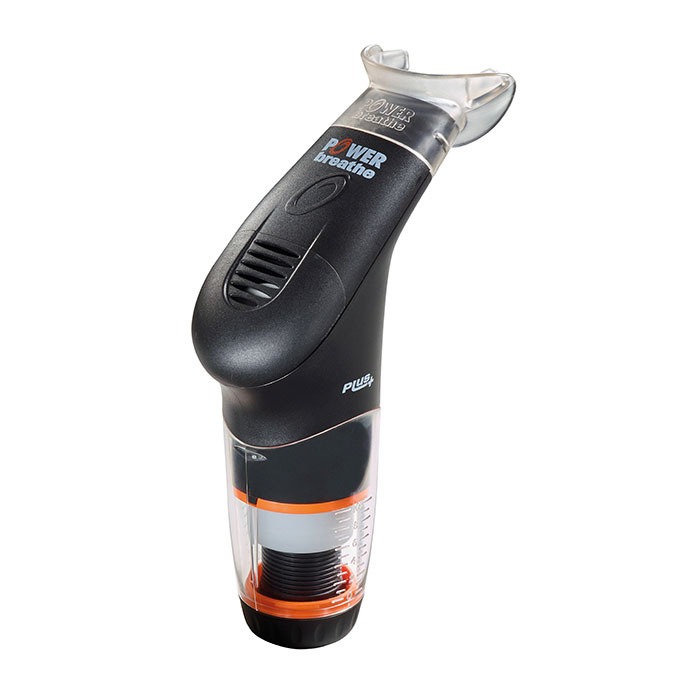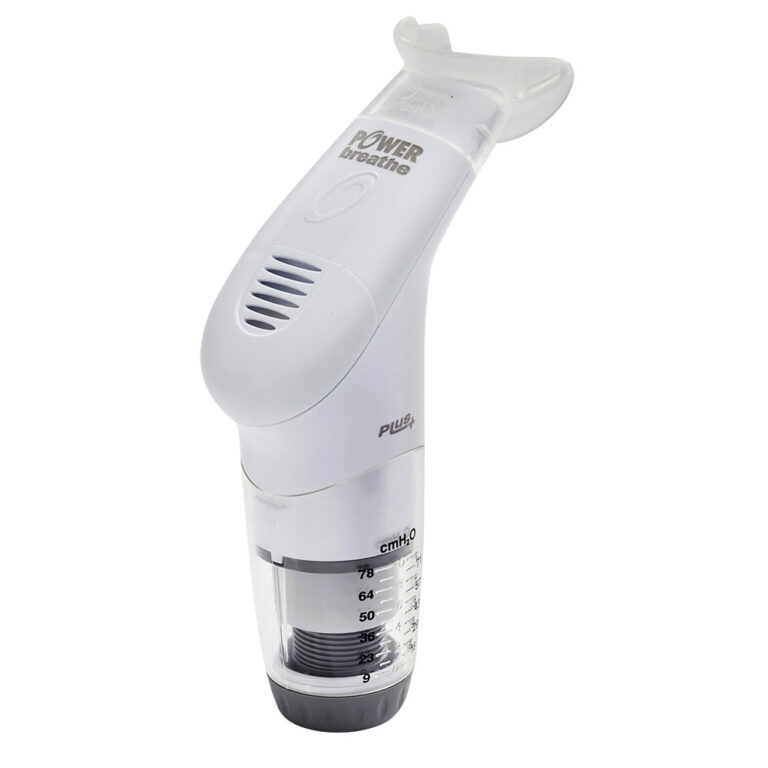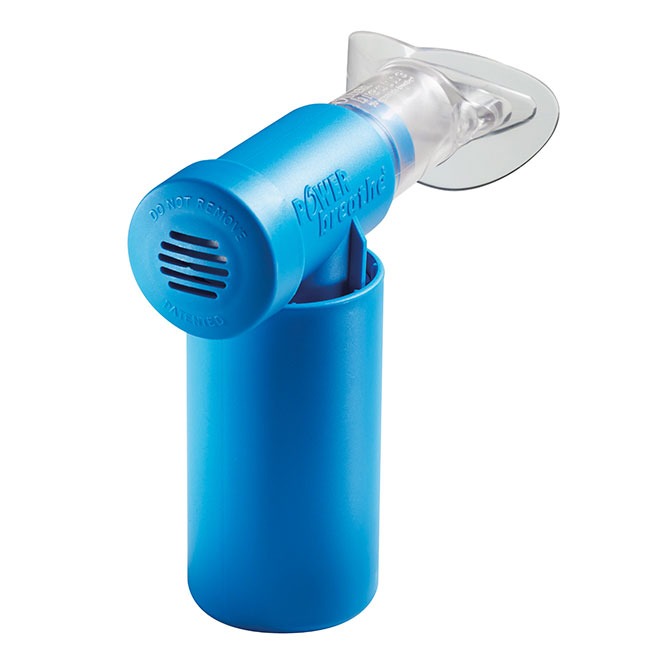
Research papers, meta-analysis, scientific trials and review articles show the efficacy of POWERbreathe Inspiratory Muscle Training (IMT) in fitness and sports.
Benefits in Fitness & Sports
Activate your diaphragm with POWERbreathe Inspiratory Muscle Training (IMT). In scientific tests and studies IMT:
- POWERbreathe K3 IMT increased respiratory muscle strength and attenuated the respiratory muscle metaboreflex as evident by lower heart rate and blood pressure (used POWERbreathe K3)
- 5 weeks of POWERbreathe IMT attenuates the respiratory metaboreflex, an effect that persisted after 5 weeks of detraining, which may have other benefits (i.e., reduced competition of blood flow with other muscles during exercise) (used POWERbreathe K3)
- Inspiratory Muscle Pre-Activation enhances exercise and recovery (used POWERbreathe K5)
- POWERbreathe is a useful device to stimulate sports performance and increase pulmonary function in various sporting fields (various POWERbreathe IMT devices feature in this research)
- POWERbreathe contributes to better athletic performance by improving all lung ventilation variables, respiratory muscle strength and performance parameters, and by reducing lactate levels (POWERbreathe Plus MR)
- Inspiratory muscle warm-up improves performance and lactate clearance (used POWERbreathe K5)
- Significantly improves participants’ inspiratory muscle strength, 800-m running performance and decreases limb blood flow change rate
- Improved inspiratory muscle strength by 31.2%
- Improved inspiratory muscle endurance by 27.8%
- Accelerated recovery during repeated sprints by up to 7% (Romer et al., 2002b)
- Improved cycling time trial performance by 4.6% – equivalent to slashing 3-minutes off a 40k time trial (Romer et al., 2002a)
- Enabled participants to cycle for 33% longer and with lower sense of effort
- Improved rowing time trial performance by up to 2.2% – equivalent to slashing 60m in a 2km race (Volianitis et al., 2001)
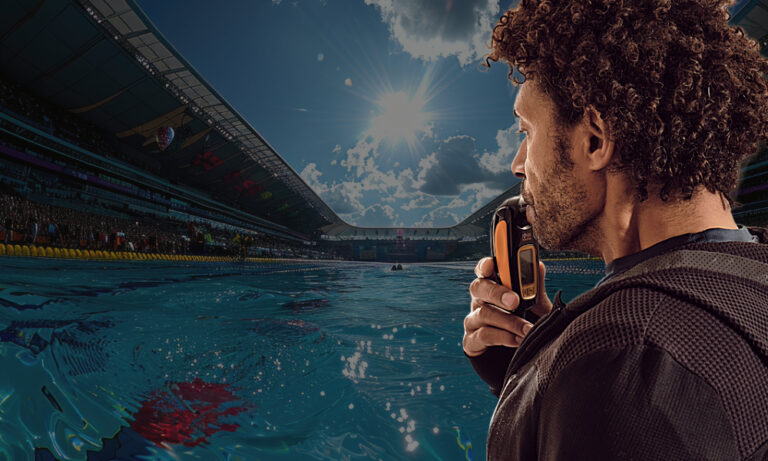
- Increased swimming performance by up to 3.5% (Kilding et al., 2009)
- Reduced whole body effort during exercise (Tong et al., 2008)
- Warmed-up the breathing muscles & significantly improved rowing performance and reduced breathlessness in competitive rowers – Study 1; Study 2
- Warmed-up the breathing muscles which normal warm-up routines fail to do – Study 1; Study 2; Study 3
- Speeded-up lactate clearance more effectively than traditional active recovery strategies – Study 1; Study 2